Disclaimer: This article contains 4,300 words of in-depth, educational content designed to empower you with the tools to improve your health and well-being. To make the most of it, we recommend bookmarking this page and reading it in stages.
Fresh vegetable juices can play a valuable role in supporting healthy blood sugar balance. Nutrient-dense options such as bitter gourd, spinach, kale, cucumber, and celery provide compounds that help stabilise glucose levels. When taken regularly, a structured juice cleanse with these juices can support insulin sensitivity, lower glycaemic load, and contribute to overall metabolic wellbeing – which refers to the body’s ability to manage energy efficiently, minimise inflammation, and prevent excess sugar from being stored as fat.
Among them, bitter gourd stands out for its well-documented hypoglycaemic properties, making it a powerful natural ally for blood sugar regulation. In this article, we explore its benefits in detail and reference clinical studies that highlight its effects. However, no single juice can regulate blood sugar by itself. Internal inflammations, digestive health, daily movement, and broader lifestyle patterns all play a decisive role in how the body processes and regulates glucose.
Table of Contents
Inflammation: The Hidden Root of Blood Sugar Imbalances
Body Cleansing Water Fasting and Autophagy
Juices for Blood Sugar Regulation
Bitter Gourd: Plant Insulin – Nature’s Hypoglycaemic
How to Take Bitter Gourd Juice for Blood Sugar Regulation
Plant Insulin: Bitter Gourd – The Clinical Evidence
Other Juices That Lower Blood Sugar Levels
Lifestyle Choices: The Key to Long-Term Blood Sugar Balance
FAQs: Body Cleanse and Detox, Juices & Water Fasting
Inflammation: The Hidden Root of Blood Sugar Imbalances
While diet and lifestyle are often presented as the primary causes of diabetes and blood sugar disorders, chronic internal inflammation is the underlying condition that drives the process forward. Long before blood sugar levels become unstable, inflammation disrupts how cells respond to insulin, impairing the body’s ability to move glucose out of the bloodstream and into tissues where it can be used for energy.
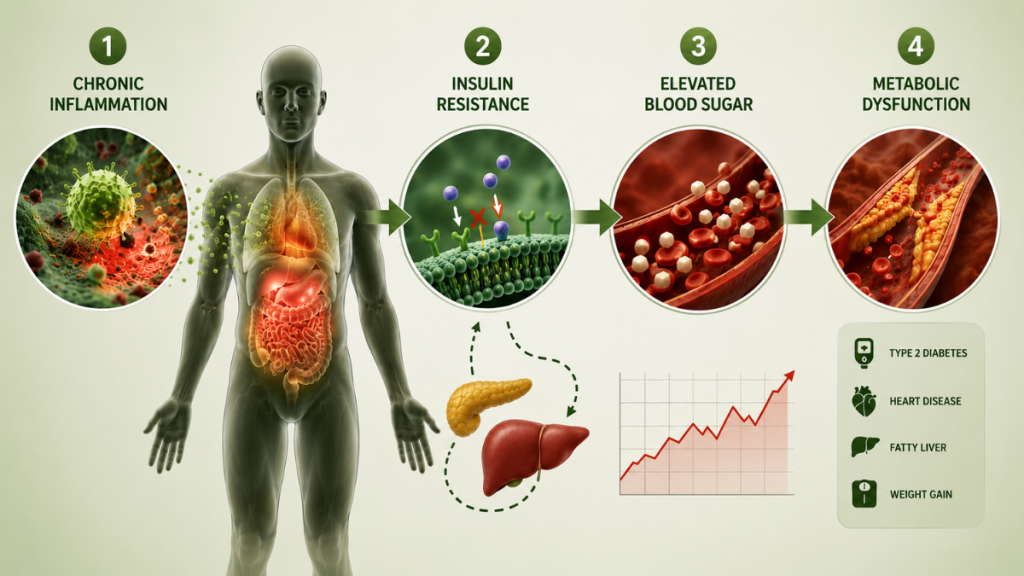
How Inflammation Leads to Diabetes
- Poor dietary choices, including processed foods, refined sugars, and trans fats, activate inflammatory pathways within the body.
- This inflammation triggers the release of pro-inflammatory signalling molecules (cytokines) that interfere with insulin signalling, making it increasingly difficult for cells to respond effectively to insulin.
- Over time, sustained inflammation damages key metabolic organs such as the pancreas and liver, progressively impairing their ability to regulate blood sugar and maintain metabolic balance.
Inflammatory Triggers: Diet, Lifestyle and Body Toxicity
- Dietary Choices: Diets high in refined carbohydrates and unhealthy fats, and low in fibre and micronutrients, promote inflammation and drive repeated blood sugar spikes, reinforcing insulin resistance.
- Lifestyle Factors: Sedentary behaviour, chronic stress, and poor sleep elevate inflammatory markers, further disrupting glucose metabolism and insulin sensitivity.
- Accumulated Body Toxicity: Exposure to environmental toxins, ultra-processed foods, and impaired detoxification processes leads to toxic buildup in the body. This toxic burden stimulates inflammation, interferes with insulin function, and compounds blood sugar dysregulation.
Addressing Inflammation at Its Root
While lifestyle factors are essential for supporting healthy blood sugar regulation, shifting the body permanently from a pro-inflammatory state into an anti-inflammatory state requires a deeper intervention. Body cleansing — beginning with a structured gut cleanse — forms the essential foundation of this shift. Water fasting, in particular, stands out as one of the most powerful natural anti-inflammatory tools available, promoting autophagy and allowing metabolic systems to reset at a deep physiological level.

Body Cleansing, Water Fasting and Autophagy
A structured approach to body cleansing and detoxification directly targets chronic inflammation — the underlying driver of blood sugar dysregulation. By thoroughly cleansing the bowel and restoring a healthier gut microbiome, the body is better able to regulate inflammatory activity at its source.
A balanced gut microbiome produces short-chain fatty acids (SCFAs – propionate, butyrate and acetate), which play a critical role in reducing systemic inflammation, improving insulin sensitivity, and supporting stable blood sugar levels. Through this process, the body’s natural ability to manage glucose more effectively is gradually restored.
Water fasting represents one of nature’s most powerful anti-inflammatory interventions. By temporarily abstaining from food and consuming only water, the body enters a distinct physiological state that promotes metabolic balance, cellular repair, and deep inflammatory reset. For those who find water fasting too intense initially, a carefully selected 3 day juice cleanse offers a gentler alternative that still supports healing and blood sugar regulation.
The sections below outline the key mechanisms through which water fasting exerts these effects.
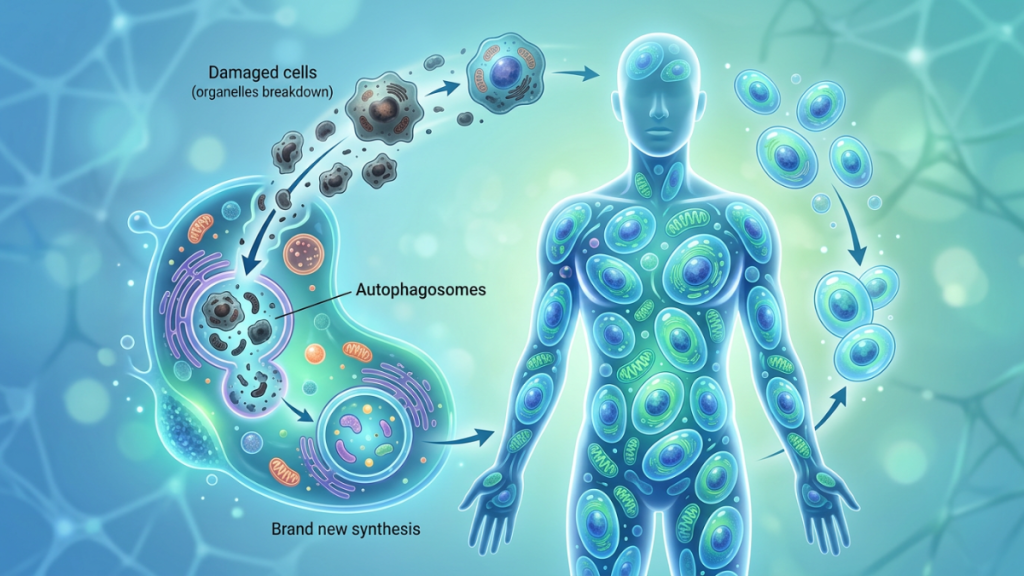
Zero Calories, Maximum Impact: Lowering Insulin & Inflammation
When you stop consuming calories during a water fast, your body no longer has a supply of glucose to process. This has the following effects:
- Blood Sugar Levels: Without dietary intake, blood sugar drops to a baseline level, reducing the burden on the pancreas to produce insulin.
- Insulin Production: Elevated insulin levels are highly inflammatory, contributing to systemic inflammation and insulin resistance. By fasting, insulin levels drop significantly, creating a less inflammatory internal environment.
- Inflammation Reduction: Lower insulin levels decrease the release of pro-inflammatory markers, helping the body restore balance. This reduction in inflammation not only improves insulin sensitivity but also supports healthier blood sugar regulation over time.
Calorie Restriction & Ketosis: An Anti-Inflammatory Pathway
After 12–24 hours of water fasting, the body depletes its glycogen stores (stored glucose) and shifts into a metabolic state called ketosis, where fat becomes the primary fuel source. This process produces ketones, including beta-hydroxybutyrate (BHB), which has potent anti-inflammatory properties.
- BHB and Inflammation: Ketones like BHB inhibit the activation of inflammatory pathways, particularly the NLRP3 inflammasome, a key driver of chronic inflammation. This significantly reduces systemic inflammation, benefiting individuals with blood sugar imbalances caused by inflammatory insulin resistance.
- Emotional Wellbeing: Ketones are not just an energy source for the body; they also fuel the brain. BHB supports better mitochondrial function in brain cells, leading to increased clarity, focus and emotional stability. This contributes to elevated mood and reduced anxiety, making water fasting an excellent practice for both physical and emotional health.
How Calorie Restriction and Autophagy Promote Cellular Repair
One of the most remarkable processes activated during a water fast is autophagy, a form of cellular recycling and repair. When the body enters ketosis, it switches from simply conserving energy to identifying and eliminating damaged or inflamed cells:
- Autophagy targets inflamed and damaged cells, breaking them down into components that can either be repurposed or eliminated. This process has been extensively studied, with Nobel Prize–winning research demonstrating the central role of autophagy in cellular repair, inflammation reduction, and metabolic health.
- Burning Damaged Cells for Energy: In cases where cellular components cannot be reused, they are burned as fuel, effectively clearing the body of harmful debris.
- Reduced Inflammation: By removing damaged cells and reducing oxidative stress, autophagy directly targets inflammation, creating a healthier cellular environment.
A Structured Approach to Reducing Inflammation
At Nature Heal, our body cleansing and detoxification programs are designed to help address chronic inflammation at its root, using a structured, step-by-step approach that can be followed safely from home. Each program guides you through the essential stages of cleansing, beginning with a gut cleanse, supporting liver detoxification, and progressing into either a 3-day juice cleanse or a water fast, depending on your goals and experience. A juice detox is a gentler alternative to water fasting and can support blood sugar regulation when applied correctly.
Every cleanse includes a comprehensive PDF guide, clear instructional video presentations, and ongoing email support, ensuring you understand not just what to do, but why each step matters. By following a structured process rather than isolated interventions, these programs help create the internal conditions needed for lasting metabolic balance and healthier blood sugar regulation.
Begin your path toward improved health and clarity — and let Nature be your Healer.
Juices for Blood Sugar Regulation
Now that we’ve explored how inflammation is at the root of blood sugar dysregulation and how body cleansing addresses this at its core, the next step is maintaining those results. Incorporating fresh juices into your daily routine is a simple yet powerful way to promote an internal anti-inflammatory state and help regulate blood sugar levels long-term. When preparing vegetable juices regularly, extraction method becomes increasingly important, and using a slow juicer can help preserve delicate plant compounds while improving overall juice quality.
Certain vegetables stand out for their ability to lower blood sugar, each with unique properties that support metabolic health. We’re going to take a look at kale, spinach, celery and cucumber, which are all excellent choices for managing blood sugar.
However, one vegetable truly shines in this area: bitter gourd. Known for its potent hypoglycaemic effects, bitter gourd juice offers unparalleled benefits for blood sugar regulation.
Bitter Gourd: Plant Insulin – Nature’s Hypoglycaemic
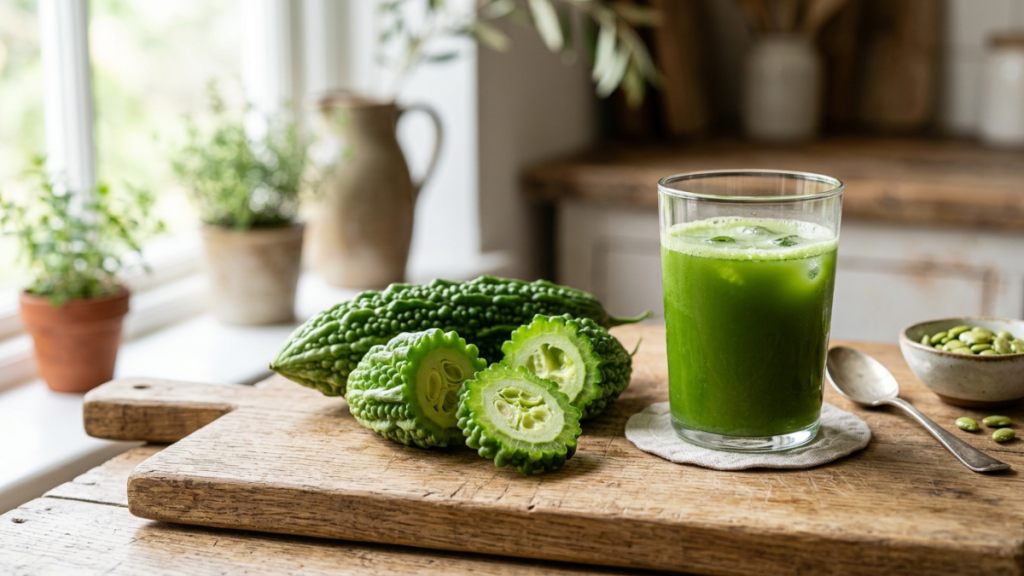
The juice of bitter gourd contains several compounds that contribute to its hypoglycaemic properties. Among these, charantin, vicine and polypeptide-p are considered the most potent, having been extensively researched for their ability to lower blood sugar levels.
Other compounds – momordicin, flavonoids, cucurbitacins, saponins and phenolic acids – also contribute to the overall hypoglycaemic effect of bitter gourd. They enhance insulin sensitivity, reduce oxidative stress and support glucose metabolism, making bitter gourd a powerful, multifaceted natural remedy for managing blood sugar levels.
Charantin
Charantin mimics insulin’s actions in the body, reducing blood sugar levels by enhancing glucose uptake and promoting glycogen synthesis in the liver, muscles, and adipose tissues. By converting glucose from the bloodstream into glycogen, the liver helps to effectively lower blood sugar, making Charantin a key component of bitter gourd’s powerful anti-diabetic properties.
Vicine
Vicine plays a crucial role in bitter gourd’s ability to manage blood sugar levels. It stimulates the pancreas to release insulin, aiding in the regulation of blood glucose. Similar to Charantin, Vicine enhances the conversion of glucose into glycogen, stored in the liver and muscles, further solidifying its role in bitter gourd’s hypoglycemic effects.
Plant Insulin: Polypeptide-p
Polypeptide-p, often called “plant insulin,” is a bioactive protein in bitter gourd that mimics human insulin. It supports diabetes management by enhancing glucose uptake in muscle cells and fat tissues while reducing glucose production in the liver. This insulin-like action underscores the potential of bitter gourd juice as a natural remedy for controlling blood sugar levels.
Juice of Bitter Gourd: Bioactive Compounds for Blood Sugar
The juice of bitter gourd contains a wide array of bioactive compounds that complement its primary hypoglycaemic agents, charantin, vicine and polypeptide-p. These additional compounds enhance insulin sensitivity, reduce oxidative stress and support glucose metabolism:
- Momordicin: A bitter glycoside responsible for the distinct taste of bitter gourd. It supports blood sugar regulation by promoting insulin secretion and enhancing insulin sensitivity. Its anti-inflammatory properties also play a role in reducing inflammation-induced insulin resistance.
- Lectins: Proteins that lower postprandial blood glucose (the rise in blood sugar after eating) by acting on peripheral tissues (muscles and fat cells, which absorb and store glucose), suppressing appetite, and influencing insulin release.
- Cucurbitacins: Improve insulin sensitivity and reduce oxidative stress, helping to combat complications often associated with diabetes.
- Flavonoids, Alkaloids, and Saponins: These compounds work synergistically to enhance glucose uptake by cells, stimulate insulin secretion, and slow the release of glucose into the bloodstream.
- Phenolic Acids: Antioxidants that neutralize free radicals, reduce inflammation, and support better insulin sensitivity.
How to Take Bitter Gourd Juice for Blood Sugar Regulation
When incorporating bitter gourd juice into your detox drinks it’s important to start with a moderate amount to gauge your body’s response – the juice of bitter gourd is very potent. Here are some general guidelines:
- Start with about half a glass (approximately 120 ml) of bitter gourd juice. Over time, if your body tolerates it well, you can gradually increase the amount to a full glass (approximately 240 ml).
How Often:
- It is generally recommended to drink bitter gourd juice once a day, preferably on an empty stomach in the morning. Drinking it on an empty stomach maximises nutrient absorption and enhances its effectiveness.
Tips:
- Taste: The juice of bitter gourd is strong and bitter. You can dilute it with water or mix it with other vegetable juices like cucumber or celery to make it more palatable.
- Monitor Response: Pay attention to how your body reacts. If you experience any discomfort, reduce the quantity or frequency.
- Consult a Healthcare Provider: If you have diabetes or are on medication to manage blood sugar levels, it’s important to consult with a healthcare provider before incorporating bitter gourd juice regularly. It can lower blood sugar levels significantly, which might require adjustments in medication dosages.
Plant Insulin: Bitter Gourd – The Clinical Evidence
Scientific research has highlighted the remarkable effects of bitter gourd on blood sugar levels and insulin sensitivity. Here are two significant studies that showcase its potential:
- Study Title: Bitter gourd (Momordica charantia) improves insulin sensitivity by increasing skeletal muscle insulin-stimulated IRS-1 tyrosine phosphorylation in high-fat-fed rats
- Publication: Journal of Ethnopharmacology.
- Summary: This study demonstrates that bitter gourd not only lowers blood sugar levels but also enhances the body’s ability to use insulin effectively. By improving how muscles respond to insulin, it serves as a powerful natural remedy for managing insulin resistance and type 2 diabetes.
- Study Title: Antidiabetic effects of bitter gourd extracts in insulin-resistant db/db mice
- Publication: British Journal of Nutrition.
- Summary: This study found that certain components of bitter gourd, such as lipids and saponins, significantly improve long-term blood sugar control – highlighting bitter gourd’s potential as a natural treatment for improving insulin sensitivity and managing diabetes.

Other Juices That Lower Blood Sugar Levels
While bitter gourd stands out, several other ingredients also earn their place in juicing recipes for blood sugar regulation, each bringing its own unique set of nutrients and benefits. We’ll explore four juices known for their blood sugar-lowering properties: spinach, kale, celery and cucumber – essential components of a well-rounded juice detox:
Spinach: A Nutrient Dense Superfood
Spinach is a highly nutritious vegetable that plays a significant role in managing blood sugar levels. Here’s how spinach juice helps:
- Magnesium: Spinach is rich in magnesium, which enhances insulin effectiveness by helping cells absorb glucose more efficiently, thereby lowering blood sugar levels.
- Reduced Risk: Studies suggest that higher magnesium intake is associated with a lower risk of developing type 2 diabetes.
- Antioxidants: Spinach contains flavonoids and carotenoids that reduce oxidative stress – a key factor in inflammation and impaired insulin function.
- Chlorophyll: The chlorophyll in spinach improves insulin sensitivity and supports liver detoxification, which is crucial for maintaining healthy glucose metabolism.
Kale: One of the Most Nutrient Dense Foods
Kale is another powerhouse leafy green that supports blood sugar regulation. Here’s why kale juice is particularly beneficial:
- Rich in magnesium: Helps regulate blood sugar by enhancing insulin sensitivity.
- Alpha-Lipoic Acid (ALA): Kale contains ALA, a potent antioxidant that lowers blood sugar, improves insulin sensitivity and reduces the risk of complications like diabetic neuropathy.
- Anti-Inflammatory Compounds: Kale is rich in quercetin and kaempferol, antioxidants that combat chronic inflammation – a major contributor to insulin resistance.
- Chlorophyll: Enhances insulin sensitivity and promotes liver detoxification, supporting blood sugar management.
Celery Juice: Another Nutrient Dense Ally
Celery juice provides multiple benefits for blood sugar control, particularly through its rich antioxidant content. Here’s why celery juice is effective:
- Powerful Antioxidants: Contains apigenin and luteolin, which reduce inflammation, a significant contributor to insulin resistance in diabetics.
- Insulin Sensitivity: By reducing inflammation, these antioxidants support better insulin function and overall blood sugar control.
- Source of potassium: Celery is rich in potassium, which helps regulate fluid balance and supports cardiovascular health, contributing to overall well-being for those managing blood sugar levels.
Ginger juice further enhances these effects by powerfully reducing inflammatory signalling linked to insulin resistance. Its active compounds, particularly gingerols, have been shown to improve insulin sensitivity and support more stable blood sugar regulation.
Cucumber Juice
Cucumber juice is a refreshing, low-calorie choice for those aiming to manage their blood sugar levels. Here’s how it supports blood sugar regulation:
- High Water Content: Cucumber juice helps keep the body hydrated, which is crucial for maintaining healthy blood sugar levels and overall metabolic function.
Improved circulation plays a critical role in glucose delivery to cells, and juices such as beetroot juice can support this process by enhancing nitric oxide production and vascular function.
- Bioactive Compounds: Cucumbers contain cucurbitacin, a compound with anti-inflammatory and anti-diabetic properties. It reduces insulin resistance and supports better blood glucose management.
Using the right combinations of vegetables is essential, and well-designed juicing recipes can help maximise blood sugar stability while keeping glycaemic load low. Using the right combinations of vegetables is essential, and when preparing juices regularly, choosing the best juicer can improve both efficiency and consistency while helping retain key nutrients.
Lifestyle Choices: The Key to Long-Term Blood Sugar Balance
In this section, we explore the key lifestyle choices that influence blood sugar regulation and stability:
- Hydration: Staying well-hydrated helps dilute blood glucose levels, supports kidney function for glucose excretion and optimises insulin sensitivity, all essential for maintaining stable blood sugar levels.
- Diet: The types of foods you consume have a direct impact on your blood sugar. We will discuss which foods can help stabilise blood sugar levels and which ones you should avoid to prevent spikes.
- Exercise: Physical activity is essential for enhancing insulin sensitivity and promoting glucose utilisation by the muscles.
- Stress Management: We will look into the importance of stress management techniques, such as yoga and meditation, in maintaining balanced blood sugar levels and overall wellbeing.

Boost Energy: Stay Hydrated
Hydration plays a critical role in blood sugar regulation through several key mechanisms:
- Blood concentration: Dehydration reduces blood volume, increasing the concentration of glucose in the bloodstream and contributing to blood sugar spikes.
- Kidney function: Adequate hydration supports efficient kidney filtration, helping excess glucose be excreted through urine when levels are elevated.
- Insulin function: Proper hydration supports insulin production and improves insulin sensitivity, both of which are essential for stable blood sugar control.
- Stress hormones: Dehydration can raise cortisol levels, a stress hormone that impairs insulin function and promotes insulin resistance.
Lower Blood Sugar with an Anti Inflammatory Diet
An anti inflammatory diet is essential for blood sugar regulation. Eating the right food makes a significant difference. Here are some of the most important components:
- Fibre-Rich Foods: Whole grains, legumes, and vegetables slow the digestion of carbohydrates, leading to a gradual release of glucose into the bloodstream and preventing blood sugar spikes.
- Healthy Fats: Foods like avocado, nuts, seeds and olive oil provide steady energy and reduce inflammation, thanks to omega-3 fatty acids found in chia seeds, flaxseeds and walnuts. These fats also support heart health by improving cholesterol levels and reducing triglycerides.
- Omega 3 Fatty Acids: These deserve special mention due to their importance. Omega 3 fatty acids are a critical component of managing insulin resistance. By reducing inflammation, improving cellular function, and stabilising glucose levels, they address key factors contributing to insulin resistance and support long-term metabolic health.
- Lean Protein: Sources such as fish, tofu and legumes slow sugar absorption, regulate appetite by promoting fullness, and support muscle maintenance for better metabolic health.
- Low-Glycaemic Fruits: Berries, apples and pears offer fibre, antioxidants and vitamins while having a minimal impact on blood sugar levels.
For a deeper dive into what constitutes an anti inflammatory diet, check out our detailed article in the Nature Heal Learning Centre. Click through to explore actionable tips and food recommendations to support your health.
A Pro-Inflammatory Diet
A diet high in junk food and unhealthy fats can lead to blood sugar spikes and chronic inflammation, disrupting insulin function and increasing the risk of type 2 diabetes. Here’s how specific foods contribute to the problem:
- Refined Sugar: Found in processed and junk foods, sweets, fizzy drinks and desserts, refined sugar causes immediate blood sugar spikes and chronic inflammation. High sugar intake leads to insulin resistance and the formation of advanced glycation end products (AGEs), which accelerate inflammation and increase the risk of type 2 diabetes and metabolic disorders.
- Processed Carbohydrates: White bread, white pasta and snack foods made with refined flours lack natural fibre, causing rapid digestion and blood sugar spikes. These foods also contribute to energy level fluctuations and insulin resistance.
- Unhealthy Fats: Trans fats and saturated fats, commonly found in fried foods, baked goods and processed snacks, negatively impact insulin sensitivity. Trans fats, in particular, promote inflammation, exacerbate insulin resistance and increase the risk of heart disease.
Get Moving: How Exercise Improves Blood Sugar Control
Regular physical activity is one of the most effective ways to improve insulin sensitivity and promote healthy glucose utilisation. As muscles become more active, they draw glucose out of the bloodstream to meet their increased energy demands, lowering blood sugar levels during and after exercise. This process not only supports blood sugar control but also boosts energy by improving circulation and oxygen delivery throughout the body.
The human body is designed for regular movement, not prolonged stillness. Skeletal muscle acts as a major metabolic regulator, helping clear glucose from the blood, drive lymphatic circulation, and release anti-inflammatory signals. When we remain sedentary for extended periods, these functions slow down, leading to poor blood and lymph flow, impaired glucose regulation, and the accumulation of inflammatory waste within tissues. Over time, this contributes to low-grade chronic inflammation, affecting immunity, digestion, hormonal balance, and overall vitality.
Both aerobic activities—such as walking, running, and swimming—and resistance training, including weightlifting, play an important role in blood sugar regulation. Together, they improve glucose utilisation, support healthy body weight, and enhance overall metabolic health. Incorporating regular movement throughout the day, alongside structured exercise sessions, is therefore a powerful strategy for maintaining stable blood sugar levels and long-term wellbeing.
Relax! Stress Management in Blood Sugar Regulation
Mind-body practices like yoga and meditation are powerful tools for managing stress and supporting health. These practices stimulate the parasympathetic nervous system (PNS), referred to as the “rest and digest” system – which helps the body counteract stress.
Activating the PNS reduces levels of stress hormones like cortisol, which when elevated for prolonged periods, can raise blood sugar and impair insulin sensitivity. By promoting relaxation and lowering cortisol production, these practices help stabilise blood sugar levels, improve metabolic health, and enhance overall insulin function.
We’ve written a detailed article on the effects of cortisol on inflammation and how body cleansing regulates cortisol. Click through to learn more about these connections and actionable ways to support your health.
Incorporating yoga, meditation, and deep breathing exercises into your routine not only supports better blood sugar control but also fosters a greater sense of well-being, calm, and resilience in the face of daily stressors.
Read Next:
➡️ Juice Cleanse: Your complete guide — from ancient roots and modern pioneers to benefits, preparation, and strategy.
➡️ 3-Day Juice Cleanse: A step-by-step guide to restoring and maintaining a balanced gut.
➡️ Juicing Recipes: Discover recipes for energy, skin health, detox, and more.
➡️ Juicing in Antiquity: The historical roots of juice fasting through ancient cultures.
➡️ Phytonutrients: Why raw juices support detoxification, metabolism and cellular repair.
➡️ Lemon, Carrot & Pomegranate Juice: Discover how these powerful ingredients support hydration, circulation, antioxidant activity, and overall metabolic health.
FAQs: Body Cleanse and Detox, Juices & Water Fasting
Body Cleansing and Detoxification: Can it Lower Blood Sugar?
Yes! Body cleansing and detoxification, through a bowel cleanse and a liver flush, helps reduce chronic inflammation and improve insulin sensitivity. A clean digestive system and healthy gut microbiome are crucial for maintaining stable blood sugar levels. These effects can be amplified through water fasting.
Water Fasting: Can it Optimise Blood Sugar Levels?
Water fasting involves consuming only water for a set period, typically ranging from 24 hours to several days or even weeks. This type of fasting helps lower blood sugar levels by depleting glycogen stores and forcing the body to use fat for energy. As a result, water fasting enhances insulin sensitivity, making it a highly effective method for managing blood sugar levels and improving overall metabolic health.
Which detox drinks stabilise blood sugar levels?
Detox drinks made with ingredients like bitter gourd, spinach, kale, cucumber and celery are excellent for regulating blood sugar. These juices contain bioactive compounds that enhance insulin sensitivity, reduce oxidative stress and support a healthy gut microbiome – key factors in maintaining stable blood sugar levels.
Disclaimer: This content is for informational and educational purposes only and is not intended to diagnose, treat or cure any disease. It is not a substitute for professional medical advice. Please consult a qualified healthcare professional before making significant changes to your health regimen. This article may contain affiliate links. As an Amazon Associate, Nature Heal may earn from qualifying purchases.