💡 Heads Up: This article is approximately 2,200 words and designed as a comprehensive educational guide. You may find it helpful to bookmark this page and return to it in stages which will make it easier to understand and integrate into your health routine.
Phytonutrients are naturally occurring plant compounds that regulate and direct biological processes. Their importance lies in their ability to influence how the body manages detoxification, inflammation, oxidative stress and cellular communication.
Put simply, the proteins, fats, and carbohydrates we eat provide the raw materials the body uses for energy, repair, and growth. Enzymes carry out this work, but they can only function when supported by vitamins and minerals that act as essential cofactors.
Phytonutrients sit above this level, helping regulate and coordinate these processes so fuel, repair, and detoxification happen efficiently. Their primary functions, achieved largely through their influence over enzyme systems, include:
1. Activating Detoxification and Antioxidant Enzymes:
Phytonutrients help the body process and neutralise waste, toxins, and metabolic by-products.
Examples:
- Sulforaphane: Cruciferous vegetables
- Catechins: Green tea
2. Prevent Chronic Inflammation:
Phytonutrients help stop inflammation from staying switched on when it is no longer needed.
Examples:
- Curcuminoids: Curcumin
- Anthocyanins: Blackcurrants, blueberries, elderberries
3. Buffering Oxidative Stress:
They reduce the damaging effects of metabolic by-products (such as reactive acids and free radicals) produced when the body converts food into energy.
Examples:
- Anthocyanins: Blackcurrants, blueberries, elderberries
- Tannins: Pomegranate
4. Supporting Bile Flow and Toxin Elimination:
This helps move toxins out of the body rather than allowing them to recirculate.
Examples
- Bitter Plant Phytonutrients: Artichoke, chicory, rocket, dandelion greens
- Chlorophyll: Leafy greens
5. Influence Cellular Signalling:
They help cells receive the right instructions about energy use, repair, and detoxification.
Examples
- Flavonoids (quercetin, catechins, anthocyanins): Berries, apples (skin), onions, citrus fruit, green tea
- Stilbenes (resveratrol): Red grapes (skins), berries, peanuts
- Isothiocyanates (sulforaphane): Broccoli, cabbage, kale, cauliflower, rocket, watercress
In this guide, we’ll explore what phytonutrients are, how they function within the body, why a juice cleanse is uniquely effective at delivering them, and how a structured approach to body cleansing and detoxification, create the optimal internal environment for their therapeutic effects.
The phytonutrient family is large and complex, with multiple overlapping groups; for readers who want a visual overview of how these compounds are classified, a detailed scientific diagram is available from ScienceDirect.
Table of Contents
Phytonutrients Explained: Health, Detoxification & Repair
Major Phytonutrient Groups and Their Physiological Roles
How to Detox Your Body: Nature Heal’s 3-Step System
FAQs: Phytonutrients and Juicing
Phytonutrients Explained: Health, Detoxification & Repair
When people talk about nutrition, the conversation usually stops at calories, sugar, protein, or fats (macronutrients). But the body does not function at the level of food labels — it operates through biochemistry: the interaction of nutrients with enzymes, cells, hormones, and detox pathways to produce real outcomes such as energy, repair, inflammation regulation, or waste removal.
Phytonutrients play a central regulatory role in detoxification, inflammation balance, cellular repair, and metabolism. When intake is sufficient — through a diet rich in colourful fruits and vegetables or structured juicing — the body’s regulatory systems function more effectively:
- Detoxification enzymes operate efficiently
- Antioxidant defences remain strong
- Mitochondrial energy production is supported
- Cellular signalling remains coordinated
In this well-supported environment:
- Carbohydrates are cleanly converted into energy
- Fats are burned when needed rather than stored unnecessarily
- Proteins are directed toward tissue repair, producing relatively little metabolic waste
When phytonutrient intake is low, these regulatory systems become under-supported:
- Detox enzymes function less efficiently
- Antioxidant buffering weakens
- Mitochondrial energy production declines
- Stress and inflammatory signalling increases
In this state, the same macronutrients are handled less efficiently — carbohydrates are more likely to spike blood sugar and insulin, fats are more likely to be stored or incompletely oxidised, and proteins generate more waste relative to repair. The result is increased oxidative stress, inflammation, and strain on the liver and elimination pathways. In such an environment, even high-quality food can become a metabolic burden.
This is one reason why diets rich in plant diversity consistently correlate with improved long-term health outcomes. Evidence published in the British Medical Journal and related epidemiological research suggests that:
- Greater plant diversity correlates with lower chronic disease risk
- Higher polyphenol intake correlates with reduced cardiovascular risk
- Phytonutrient-rich diets correlate with longevity markers

Major Phytonutrient Groups and Their Physiological Roles
Phytonutrients are not a single substance but a broad family of plant compounds, each with distinct roles. While thousands have been identified, several major groups account for most of the therapeutic effects seen in fruits and vegetables.
Understanding these groups helps explain why variety, colour, and plant diversity matter, especially during structured juice detox.
Polyphenols
Polyphenols are one of the most important and well-studied phytonutrient groups because they help protect cells, blood vessels, and detox pathways from oxidative and inflammatory stress. Rather than simply acting as antioxidants, they also activate and regulate detoxification processes by supporting liver detoxification, promoting bile flow, and facilitating cellular waste clearance.
Polyphenols themselves include several subgroups, most notably flavonoids (such as quercetin, catechins, and anthocyanins), phenolic acids, stilbenes (such as resveratrol), and tannins (including ellagitannins found in pomegranate).
Primary roles
- Activate detoxification and antioxidant enzymes
- Support vascular and circulatory health
- Buffer oxidative stress during metabolic activity
Common sources
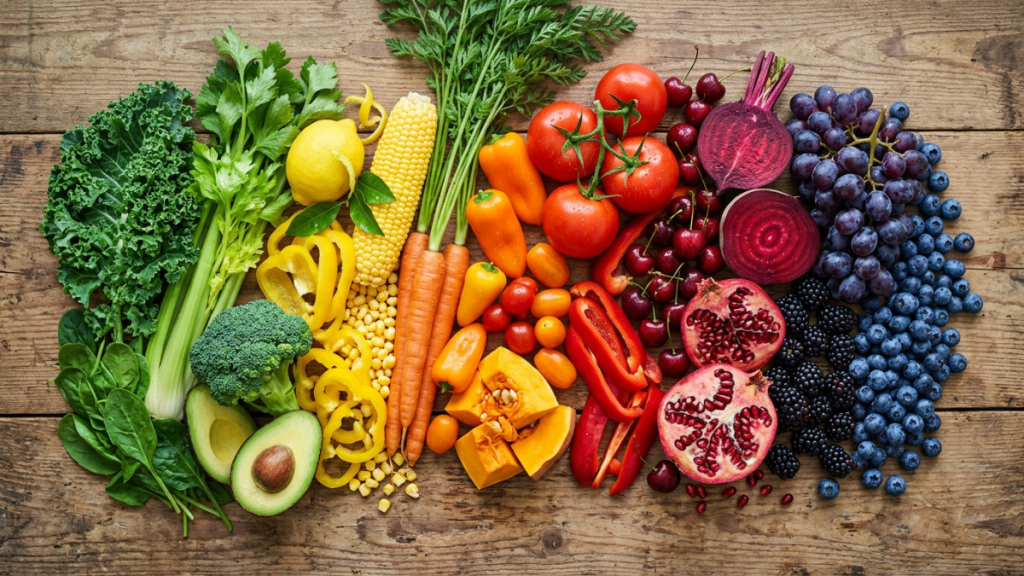
Berries tend to be polyphenol-dense, which is why they feature so prominently in therapeutic nutrition and juicing. Darker, more deeply coloured berries generally indicate higher anthocyanin content, one of the most potent polyphenol subgroups.
- Berries (blackcurrants, blackberries, blueberries, cherries)
- Pomegranate
- Red grapes
- Apples (especially the skin)
- Green tea
Polyphenols are especially valuable during cleansing, as they help manage the increased oxidative load that can occur when stored waste is mobilised — a key consideration during a 3 day juice cleanse, or extended fasting phase.
Flavonoids
Flavonoids are a large subgroup of polyphenols and play a key role in inflammation regulation and cellular signalling.
Flavonoids include:
- Flavonols (quercetin, kaempferol)
- Flavanols (catechins)
- Anthocyanins (blue/red pigments)
- Flavanones (citrus compounds)
Primary roles
- Modulate inflammatory responses
- Support blood vessel function
- Assist immune balance rather than immune overstimulation
- Improve insulin sensitivity, reduce post-meal glucose spikes, and support glucose uptake into cells.
Common sources
- Citrus fruits such as orange, grapefruit and lemon juice.
- Onions
- Parsley
- Kale
- Apples
These compounds are one reason citrus and leafy greens are emphasised in many structured juice recipes, particularly those targeting circulation and metabolic balance.
Anthocyanins
Anthocyanins are a vibrant subgroup of flavonoids responsible for the deep red, blue, and purple colours in many fruits and vegetables. They are particularly important for blood sugar regulation, vascular protection, and buffering oxidative stress during detoxification.
Primary roles
- Buffer oxidative stress by neutralising reactive oxygen species
- Support insulin sensitivity and glucose metabolism
- Protect blood vessel integrity and microcirculation
- Modulate inflammatory signalling pathways
Common sources
- Blackcurrants
- Blueberries
- Blackberries
- Elderberries
- Red grapes
- Cherries
During cleansing, the body may release stored by-products as fat is used for energy. Anthocyanins in dark berries help reduce the stress this process can place on cells and blood vessels.

Carotenoids
Carotenoids are fat-soluble pigments responsible for the red, orange, and yellow colours in many fruits and vegetables.
Primary roles
- Protect cells from oxidative damage
- Support skin, immune, and tissue repair
- Assist cellular resilience during detoxification
Common sources
- Carrots
- Sweet potato
- Pumpkin
- Spinach
- Kale
Juicing mechanically breaks down plant cell walls, which can improve carotenoid availability when digestion is compromised — particularly in juices featuring ingredients such as carrot juice and beetroot juice, both commonly used in targeted cleansing protocols.
Glucosinolates (Sulfur-Containing Compounds)
Glucosinolates are particularly important for liver detoxification and hormone metabolism.
Primary roles
- Support phase I and phase II liver detox pathways
- Assist oestrogen and hormone clearance
- Enhance antioxidant enzyme activity
Common sources
- Broccoli
- Cabbage
- Cauliflower
- Kale
- Rocket (arugula)
These compounds are one reason cruciferous vegetables feature prominently in detox-focused diets and vegetable-focused juicing recipes, especially for individuals seeking to support metabolic and hormonal balance.
Chlorophyll
Chlorophyll is the green pigment found in leafy plants and plays a supportive role during cleansing.
Primary roles
- Chlorophyll can attach to certain unwanted compounds in the digestive tract (such as by-products of metabolism and bile-bound wastes), helping carry them out of the body rather than allowing them to be reabsorbed in the gut.
- Support bile flow and liver function
- Assist cellular oxygen balance
Common sources
- Spinach
- Parsley
- Wheatgrass
- Kale
- Celery leaves
Green detox drinks that are rich in chlorophyll — such as celery juice and other leafy blends — are often used during liver-focused phases of a structured juice fast.
Lignans (Hormone-Modulating Polyphenols)
Lignans are a subgroup of polyphenols known for their mild hormone-balancing and antioxidant properties. They are particularly relevant for long-term metabolic health and cardiovascular support.
Primary roles
- Support healthy oestrogen metabolism through mild phytoestrogen activity
- Contribute to antioxidant and anti-inflammatory balance
- Support cardiovascular health and lipid regulation
Common sources
- Flaxseed (especially freshly ground)
- Sesame seeds
- Whole grains (rye, barley)
- Lentils
- Kale
Lignans are converted by beneficial gut bacteria into active compounds, which is why gut health plays an important role in their effectiveness — an important consideration when using juicing to support glucose and metabolic stability in guides such as juicing to lower blood sugar.
Why Diversity Matters
No single fruit or vegetable contains all phytonutrients. Each plant offers a unique profile, which is why dietary diversity and rotation are essential.
Juicing allows multiple phytonutrient groups to be delivered simultaneously, without excessive digestive effort, making it especially effective during cleansing phases — whether following a structured juice detox or implementing targeted protocols from our juicing recipes collection.
Juicing quality also matters. Because different extraction methods affect how well phytonutrients are preserved, using a slow juicer can help minimise oxidation while improving the retention of delicate plant compounds.
A Simple Way to Remember It All
You do not need to memorise chemical classifications to benefit from phytonutrients. If you prefer a practical approach, remember these guiding principles:
- Dark berries help protect against oxidative stress and regulate inflammation.
- Cruciferous vegetables support liver detoxification pathways and hormone clearance.
- Orange and red vegetables support skin health, tissue repair, and immune resilience.
- Leafy green vegetables support bile flow and healthy elimination.
- Seeds, especially flaxseed, help support balanced oestrogen metabolism and cardiovascular health.
Focus on colour, diversity, and rotation rather than memorising compound names — variety naturally delivers regulatory balance.
How to Detox Your Body: Nature Heal’s 3-Step System
At Nature Heal, body cleansing is approached as a structured, sequential process, designed to support the body’s natural detox pathways safely and effectively.
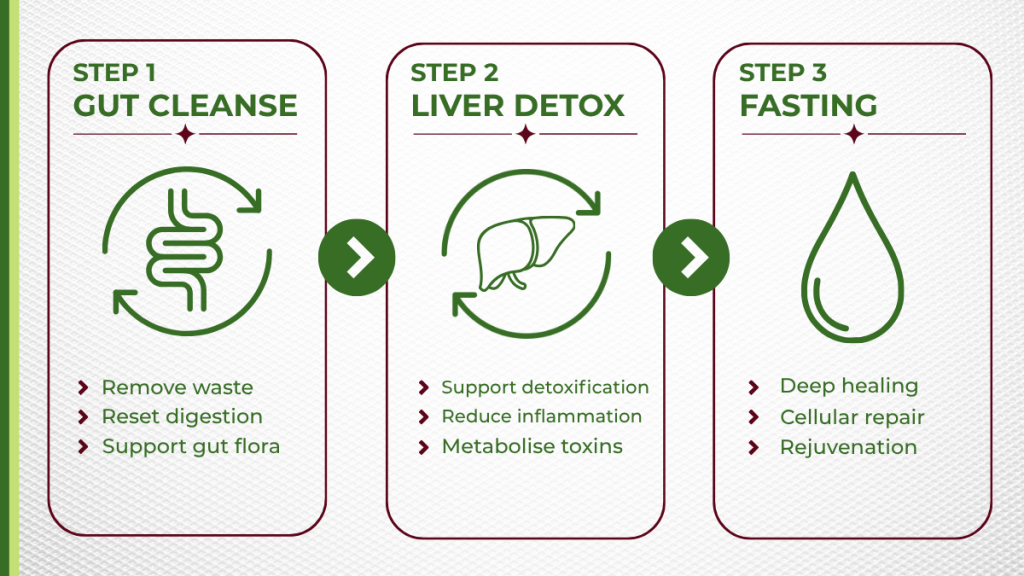
1. Gut cleanse: This foundational phase clears accumulated waste from the bowel, improves elimination, and prevents the reabsorption of toxins that would otherwise undermine the detox process.
2. Liver detox (liver flush): Once elimination is restored, we transition into liver support to improve bile flow, activate detoxification enzymes, and ensure toxins can be processed and removed efficiently.
3. Juice or water fast: Only after these preparatory phases are complete do we introduce fasting, allowing the body to shift into deeper cellular cleansing and repair without metabolic overload.
Every Nature Heal programme includes:
- Clear, step-by-step PDF guides for each phase
- Video tutorials explaining exactly what to do and when
- Private members portal access to keep everything structured and organised
- Anytime email support throughout your cleanse
- A 48-hour money-back guarantee, no questions asked
This ensures detoxification is guided, supported, and intentional — not left to guesswork.
Read Next
➡️ Best Juicer: A masticating or slow juicer is particularly effective for extracting juice from fibrous vegetable. Choose the right juicer for maximum nutrient retention.
➡️ Guided Juice Cleanse: How juice fasting fits into a structured, multi-phase body cleanse.
➡️ 3-Day Juice Fast: A focused guide to the juice fasting phase itself.
➡️ Juicing in Antiquity: How traditional cultures used plant compounds and natural juices to support healing and vitality.
➡️ Juicing to Lower Blood Sugar: How vegetables and sequencing support glucose regulation.
➡️ Beetroot Juice, Carrot Juice, Celery Juice, Lemon Juice, Ginger Juice – Detailed ingredient breakdowns
FAQs: Phytonutrients and Juicing
What are phytonutrients?
Phytonutrients are naturally occurring plant compounds that regulate detoxification, inflammation, oxidative stress, and cellular communication. They support health by directing biological processes rather than supplying calories.
Are phytonutrients destroyed by juicing?
No. Juicing preserves phytonutrients while removing fibrous bulk, allowing rapid absorption and reduced digestive effort — especially useful during cleansing phases.
Are phytonutrients more important than vitamins?
They work together. Vitamins and minerals enable enzymes to function, while phytonutrients regulate and protect the system those enzymes operate within.
Do phytonutrients help with detoxification?
Yes. Many phytonutrients signal detox enzyme activity, support bile flow, and buffer oxidative stress generated during toxin elimination.
Is juicing too high in sugar to be healthy?
Blood sugar response depends on preparation, ingredient selection, and metabolic health. Green and bitter juices behave very differently from fruit-heavy blends.
Disclaimer: This content is for informational and educational purposes only and is not intended to diagnose, treat or cure any disease. It is not a substitute for professional medical advice. Please consult a qualified healthcare professional before making significant changes to your health regimen. This article may contain affiliate links. As an Amazon Associate, Nature Heal may earn from qualifying purchases.