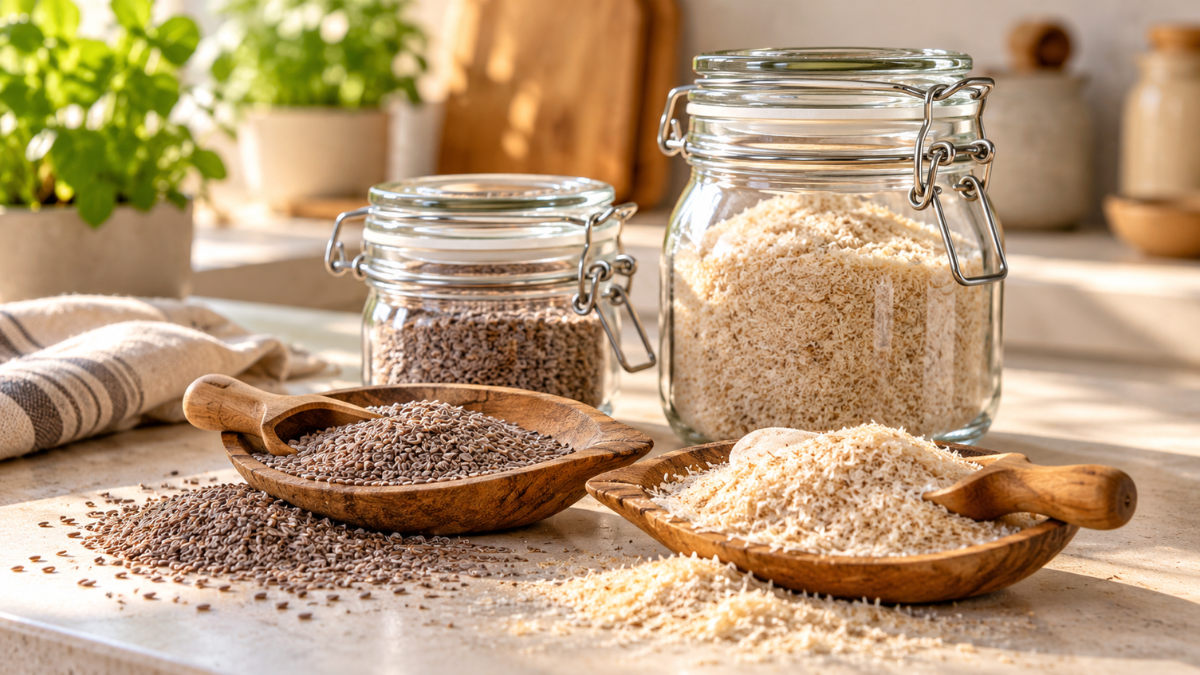
The history of juicing in antiquity is rich and deeply intertwined with traditional healing, fasting and spiritual purification. Modern juicing trends may feel new — but the practice of extracting and consuming plant liquids for healing is anything but recent. Across ancient civilizations, freshly pressed fruit and vegetable juices were used for:
- Physical rejuvenation
- Digestive support
- Blood purification
- Spiritual cleansing
- Fasting rituals
Long before the language of modern juice cleanse protocols existed, traditional systems of medicine recognised that plant liquids could influence the body in powerful ways. Early cultures extracted liquids by:
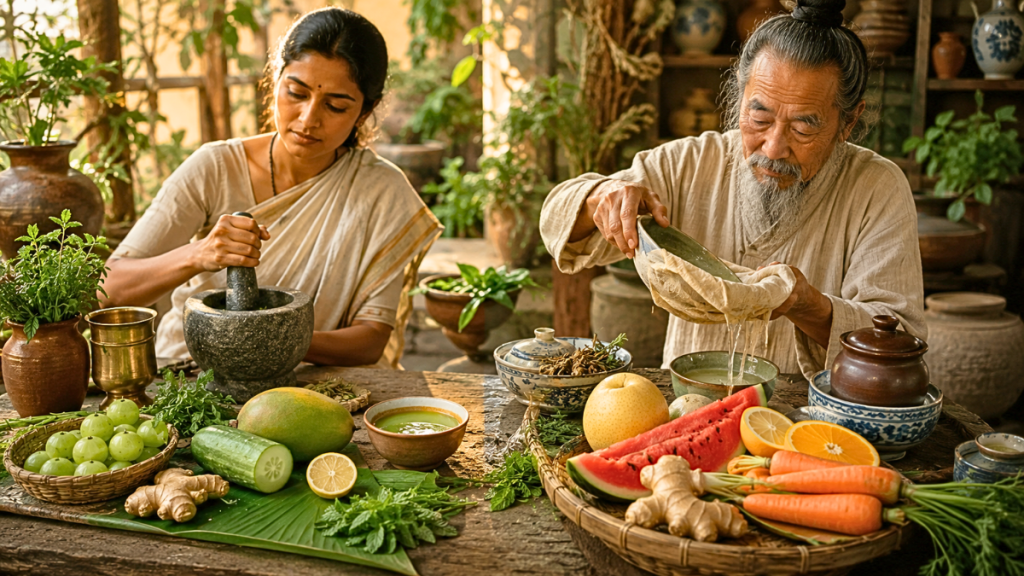
- Crushing fruits
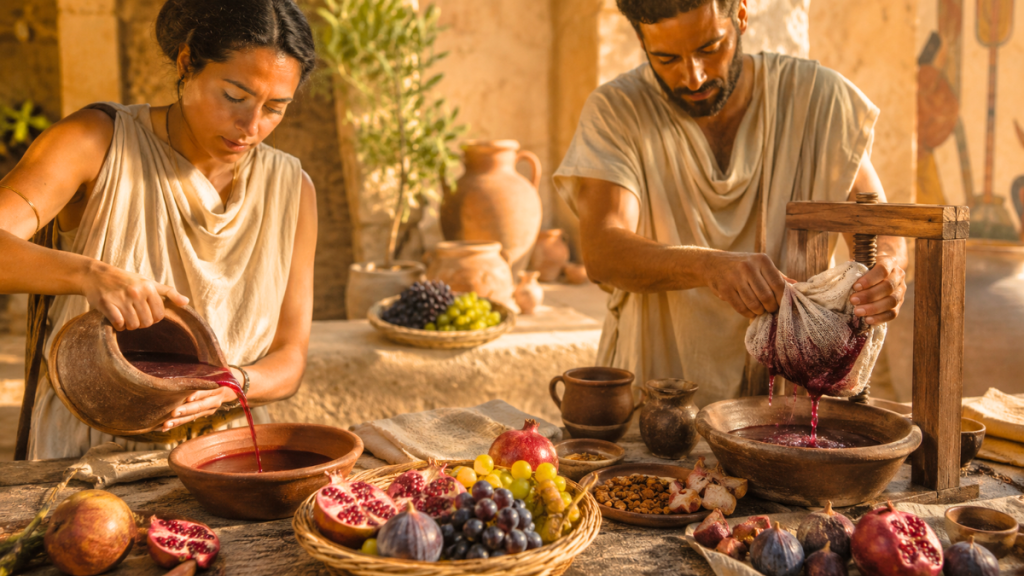
- Pressing grapes and pomegranates
- Grinding herbs
- Straining plant pulp through cloth
Juicing was often closely linked to fasting for physical and emotional purification – themes that are constant for some people today. Today, these principles form part of a broader approach to body cleansing and detoxification, where preparation, elimination support and fasting are combined in a structured sequence.
Table of Contents
Juicing in Ayurveda: Energetics and Vital Force
Juicing in Traditional Chinese Medicine
Ancient Egypt: Fruit Elixirs and Sacred Vitality
Roman Traditions: Food as Medicine
Indigenous Traditions: Plant Liquids for Healing
Juicing in Ayurveda: Energetics and Vital Force
Ayurveda is one of the world’s oldest continuously practised systems of medicine, originating in India over 3,000 years ago. The term “Ayurveda” translates as “the science of life” (Ayur = life, Veda = knowledge).
Ayurveda views health as a dynamic balance between digestion, elimination, mental clarity and vital energy. Central to this system are three governing energies, known as the doshas. Ayurveda classifies individuals and imbalances according to these three doshas:
- Vata: Associated with air and movement, Vata governs circulation, nerve impulses and elimination. When imbalanced, it may present as dryness, bloating, anxiety or irregular digestion.
- Pitta: Associated with fire and transformation, Pitta governs digestion, metabolism and biochemical processes. When elevated, it may present as irritability, inflammatory tendencies, excessive hunger, acid reflux, skin sensitivity or a tendency toward feeling hot.
- Kapha: Connected to earth and water, Kapha governs structure and stability. When aggravated, it may lead to sluggish digestion, congestion or weight gain.
Fresh juices are selected based on their ability to balance specific doshas:
- To calm Vata: sweet and grounding juices such as mango or diluted grape juice are used
- To cool excess Pitta: cucumber juice, amla juice and sugarcane juice
- To stimulate sluggish Kapha: ginger juice, lemon juice and bitter greens
Rather than focusing on calories, Ayurveda emphasises how plant liquids influence digestive fire (Agni), vitality (Ojas), and elimination pathways. This energetic framework parallels modern structured cleansing, where sequencing and preparation matter.

Juicing in Traditional Chinese Medicine
Traditional Chinese Medicine used plant liquids to regulate Yin and Yang balance:
- Yin: Cooling, nourishing, moistening and restorative qualities. It is associated with fluids, calmness and internal balance.
- Yang: Warming, activating and energising forces. It governs circulation, metabolism and outward movement.
Health depends on maintaining harmony between these two energies. Plant liquids were selected according to their energetic properties. Juices that nourish Yin (cooling and hydrating) are:
- Cucumber juice
- Pear juice
- Watermelon juice
These are used to clear internal heat, restore fluids and calm inflammation. Juices that support Yang (warming and stimulating) are:
- Ginger juice
- Carrot juice
- Citrus juices
These were used to stimulate circulation, support digestion and activate metabolic function. Although ancient practitioners did not use modern biochemical language, they observed how plant liquids influenced heat, circulation and organ balance — insights that align with what we now understand about plant compounds and phytonutrients.
Ancient Egypt: Fruit Elixirs and Sacred Vitality
The Egyptians prized fruits such as:
- Pomegranates
- Dates
- Figs
- Grapes
Pomegranate juice in particular was valued for its symbolic connection to life and renewal. It was believed to:
- Strengthen the blood
- Support vitality
- Promote longevity
Juices were sometimes used in temple rituals, where physical purification was inseparable from spiritual cleansing.
Although we lack details, it is highly likely that fruits and plant extracts were combined into juice recipes. The principle of combining plant essences for enhanced effect is as ancient as herbal medicine itself. The idea that plant liquids could “cleanse” the body and renew energy is not a modern invention — it has roots stretching back thousands of years.
Roman Traditions: Food as Medicine
Greek medical thought strongly influenced Roman dietary and therapeutic practices. Physicians such as Hippocrates emphasised the use of food and drink as medicine, and these ideas spread throughout the Mediterranean world.
The Romans consumed freshly pressed grape must (unfermented grape liquid), diluted fruit extracts from figs and pomegranates, and herbal infusions prepared from regional plants.
Given the shared climate and agricultural landscape, Roman and Greek plant liquids would have been similar — based largely on Mediterranean fruits, herbs and seasonal produce. Periods of dietary restriction, supported by fruit juices or broths, were practiced regularly — an early reflection of the structured principles behind modern juice fasting, where digestive rest is intentionally supported with nutrient-dense plant liquids.
Modern juicing follows the same basic principle of extracting plant liquids efficiently, although today the choice of equipment can influence juice yield, oxidation and nutrient preservation. See our guide to choosing the best juicer for a practical comparison of slow, masticating and centrifugal machines.
Indigenous Traditions: Plant Liquids for Healing
Across Africa, the Americas and Oceania, indigenous cultures used fruit extracts and pressed plant liquids medicinally. Examples include:
- Berry juices among Native American tribes
- Noni juice in Polynesian cultures
- Acai and camu camu preparations in Amazonian tribes
These were consumed to:
- Support immunity
- Reduce inflammation
- Restore strength
Across cultures, the recurring principle is clear: plant liquids were treated as concentrated carriers of nourishment and therapeutic potential.
Read Next
➡️ Juicing Recipes: Targeted juice formulas for digestion, energy, immunity and detoxification.
➡️ Juice Cleanse: How juice fasting fits into a structured, multi-phase body cleanse.
➡️ 3-Day Juice Cleanse: A focused guide to the juice fasting phase itself.
➡️ Juices That Lower Blood Sugar: How vegetables and sequencing support glucose regulation.

Juicing in Antiquity: FAQs
Did ancient civilizations really practice juicing?
Yes. Many cultures crushed and pressed fruits and vegetables to extract liquids for medicinal and ritual purposes.
Was juice fasting practiced in antiquity?
Forms of fasting supported by diluted fruit liquids were practiced in Greek, Ayurvedic, and religious traditions. These were typically used for purification and digestive rest.
Did ancient cultures understand detoxification?
They did not use modern biochemical terminology, but they recognised that certain plants supported elimination, cooling, blood purification and digestive balance.
How does ancient juicing relate to modern juice cleansing?
Modern cleansing builds on ancient principles but adds structure, sequencing and nutritional understanding. Preparation and elimination support are essential before fasting begins.
Disclaimer: This content is for informational and educational purposes only and is not intended to diagnose, treat or cure any disease. It is not a substitute for professional medical advice. Please consult a qualified healthcare professional before making significant changes to your health regimen. This article may contain affiliate links. As an Amazon Associate, Nature Heal may earn from qualifying purchases.
: