This article contains over 4,000 words of valuable educational content to help improve your health and wellbeing. We recommend bookmarking this page and reading it in smaller, manageable sections. Taking your time will make it easier to absorb the information and apply it to your lifestyle effectively.
The practices are already familiar. Change the diet. Become more physically active. Sleep properly. Reduce stress. Spend time outside. Use yoga to improve mobility and emotional regulation. In certain circumstances, consider therapies such as massage, physiotherapy, hydrotherapy or acupuncture—and help people understand how their lifestyle affects their health.
Across Britain and much of the West, these treatments and daily health practices are increasingly popular, but access to them is usually fragmented. A person may receive dietary advice from one professional, physiotherapy from another, psychological support elsewhere and an exercise plan during a short medical appointment. Yoga, massage and acupuncture, where used, are generally delivered through still more separate services.
In Nature Cure hospitals in India, these components are brought together within a single coordinated programme, under one roof. India has woven them into an institutional system of healthcare built around lifestyle: how people eat, move, rest and care for their physical and mental wellbeing.
Patients staying in these hospitals follow a structured daily routine, with an individual programme incorporating nutrition, fasting where appropriate, hydrotherapy, physical treatments, yoga, activity, rest and education. The organising principle is not simply the treatment of an isolated symptom. It is to improve the person’s overall health through coordinated changes in diet, activity, rest and daily habits.
In India, this integrated approach is known as Naturopathy or Nature Cure—the terms are largely interchangeable—and has developed into an established system of healthcare with hospitals, professional training and substantial patient use.
India’s Ministry of AYUSH (the government ministry responsible for Ayurveda, Yoga and Naturopathy, Unani, Siddha, Sowa-Rigpa and Homoeopathy) documents the system’s healthcare infrastructure, registered workforce and professional training capacity in its Ayush in India 2024 statistical publication:
- Facilities: 35 hospitals with 1,663 beds, alongside 95 dispensaries.
- Practitioners: 5,083 registered Naturopathy practitioners, as of January 2024.
- Education: 71 undergraduate colleges with an annual intake capacity of 5,214 students.
Three of India’s leading Naturopathy and yoga-based institutions illustrate the scale of residential hospital provision:
- Jindal Naturecure Institute reports 550 beds and approximately 15,000 patients a year.
- SDM Yoga and Nature Cure Hospital have a combined capacity of 550 beds, according to SDM College of Naturopathy and Yogic Sciences.
- S-VYASA’s Arogyadhama advertises a 600-bed inpatient facility providing integrative care.
The scale of this institutional development and patient use raises a question: if Western healthcare already recognises many of these individual components, why has the established system that brings them together in India received so little serious Western attention? What might we learn by examining its coordinated, residential and education-led approach as a complete model of healthcare?
In This Article
How Nature Cure Found an Institutional Home in India
Gandhi’s Role in the Indian Nature Cure Story
Hospitals, Colleges and Research Institutions
Why Britain, and the West, Followed a Different Path
The Components Are Already Here
Encountering the Complete Model
What Nature Cure: The Revival Recorded
From Recognition to Examination
Participate in the Nature Cure Revival Project
The Difference Is the System
The defining feature of Indian Nature Cure is not any one therapy. It is the way the therapies are integrated. A residential programme may incorporate:
- Individually prescribed meals and nutritional education
- Short periods of fasting or restricted diets, where considered appropriate
- Hydrotherapy and other water applications
- Yoga, breathing practices and physical activity
- Massage, physiotherapy and therapeutic exercise
- Acupuncture or acupressure in some institutions
- Rest, sleep and exposure to fresh air and sunlight
- Counselling, relaxation and attention to emotional wellbeing
- Medical assessment and monitoring
- Education intended to help patients continue healthier routines after discharge
Not every hospital uses exactly the same methods, and programmes vary according to the patient and institution. The central distinction is nevertheless clear. Treatment is delivered as an environment and a daily way of living, not merely as a sequence of occasional appointments.
The patient is also expected to participate. Meals, movement, treatments, rest and classes form part of the same schedule. Instead of receiving an intervention and returning immediately to the circumstances that helped produce the problem, the patient spends time in therapeutic surroundings designed to make different behavioural patterns possible.
That difference matters. Britain has highly skilled nutritionists, physiotherapists, psychologists, doctors, nurses, yoga therapists and complementary practitioners. Yet their work is rarely assembled into a single residential system centred on lifestyle change. India’s distinctive contribution was not necessarily to invent every component. It was to give those components a structure and organise them around a coherent philosophy of health.
How Nature Cure Found an Institutional Home in India
Modern Nature Cure has international roots. Nineteenth-century European movements developed Naturopathy systems centred on hydrotherapy, diet, exercise, sunlight, fresh air, fasting and the belief that healthier living conditions could assist the body’s restorative processes. These ideas travelled between Europe, the United States and India, adapting as they entered different cultural and environmental settings.
However, India did not simply preserve a Western import. It connected Nature Cure with yoga, Indian dietary traditions, public education, self-discipline and a wider concern with the relationship between physical, mental and social wellbeing. India provided continuity: a place in which this model could be taught, practised, observed and passed from one generation of naturopathic doctors to the next.
Its development into hospitals, colleges, degree programmes and research institutions raises an important historical question: Why did Nature Cure develop such an enduring institutional foothold in India, yet receive so little serious attention in Britain and much of the West, where many of its individual components—including yoga, massage, acupuncture, whole-food nutrition and different forms of fasting—have become staples of contemporary health and wellness culture?
Gandhi’s Role in the Indian Nature Cure Story
Mahatma Gandhi was one of the most influential advocates of Nature Cure. His interest in diet, fasting, hygiene, self-restraint, village health and personal responsibility formed part of a wider philosophy in which health could not be separated from lifestyle.
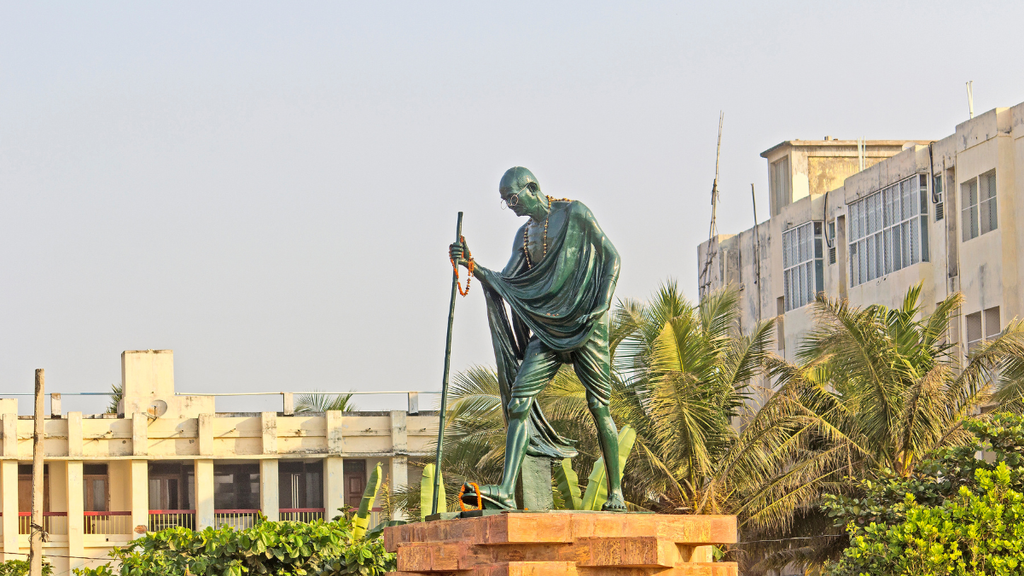
While studying law in London between 1888 and 1891, Gandhi encountered vegetarian literature that deepened his interest in diet and health. His subsequent engagement with European Nature Cure included the writings of Louis Kuhne and Adolf Just, whose methods he explored during his years in South Africa.
Gandhi saw in Nature Cure an approach that could be made accessible to ordinary Indians, particularly villagers unable to afford costly healthcare treatment. He wanted health knowledge and simple methods of care to reach people with limited means, making self-reliance central to his advocacy.
For Gandhi, health was not simply something administered by an expert after an illness appeared. It involved knowledge that ordinary people could use: how they ate, cleaned, rested, exercised and related to their surroundings. This made Nature Cure educational as well as therapeutic.
His commitment also took institutional form. On 18 November 1945, Gandhi helped establish the All-India Nature Cure Foundation Trust at the Nature Cure Clinic and Sanatorium in Pune and became its chairman. India now observes 18 November as Naturopathy Day. The same historic premises later became home to the National Institute of Naturopathy (NIN), established by the Government of India on 22 December 1986 to advance Nature Cure through treatment, education, training and research.
Hospitals, Colleges and Research Institutions
India’s Nature Cure system is supported by colleges that train practitioners, hospitals that provide clinical experience, and institutions dedicated to research. The following examples show how these functions connect in practice.
At national level, the Central Council for Research in Yoga and Naturopathy (CCRYN) conducts and coordinates scientific research, supports education and training, and promotes the publication and exchange of knowledge.
The Ministry of Ayush, in its Ayush in India 2024 statistical publication, recorded 71 undergraduate Naturopathy colleges and six colleges offering postgraduate education. Professional training is therefore an established part of the system, alongside residential patient care.
SDM College of Naturopathy and Yogic Sciences
The Sri Dharmasthala Manjunatheshwara College of Naturopathy and Yogic Sciences, commonly known as SDM, is based in Ujire, near Mangalore in Karnataka. It connects professional education with clinical training in associated Yoga and Nature Cure hospitals. These hospitals also offer specialised hydrotherapy facilities.
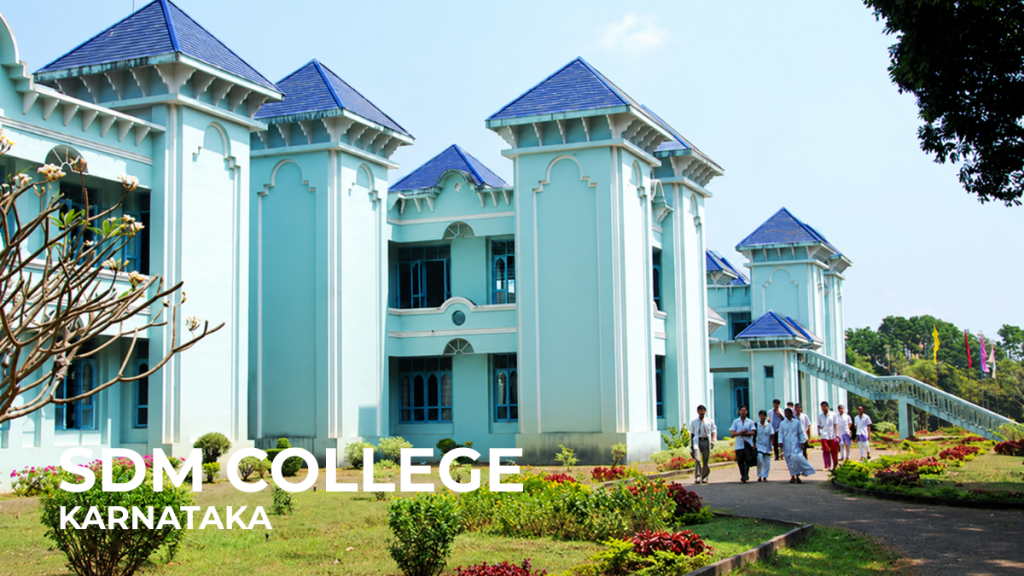
According to the college’s published information:
- Established: 1989.
- Undergraduate qualification: a five-and-a-half-year Bachelor of Naturopathy and Yogic Sciences (BNYS).
- University affiliation: Rajiv Gandhi University of Health Sciences.
- Recognition: the college reports recognition by the governments of Karnataka and India.
- Further study: three-year postgraduate MD programmes in three disciplines, alongside doctoral courses in Naturopathy and Yoga.
Its associated hospitals provide the clinical setting in which students learn to apply the system in practice.
S-VYASA
S-VYASA, the Swami Vivekananda Yoga Anusandhana Samsthana, combines university education, yoga research and residential integrative care. Its Prashanti Kutiram campus is near Bengaluru (Bangalore), Karnataka. It holds officially recognised university status in India, enabling it to award degrees, including doctoral qualifications. This places its work within an academic institution rather than simply a yoga teaching or retreat centre.
Its Anvesana research laboratories investigate yoga through molecular bioscience, physiology, psychology and cognitive neuroscience. Facilities include equipment for studying brain activity, sleep, autonomic nervous system function and biological processes at the molecular level. Its associated Arogyadhama centre provides residential yoga-based and integrative programmes, connecting patient care with professional education and research.
Jindal Naturecure Institute
Founded near Bangalore, Karnataka in 1978, Jindal Naturecure Institute grew from an initial 12-patient operation into a large charitable residential institution. Its published history reports 550 beds and approximately 15,000 patients annually.
These institutions demonstrate the scale and organisation of residential care, while the colleges and research facilities show how clinical practice connects with professional training and scientific investigation. Together with national bodies such as NIN and CCRYN, they form an established infrastructure of healthcare delivery, education and research.
Once again, the contrast is striking: yoga, massage, acupuncture, whole-food nutrition and forms of fasting have become staples of contemporary Western health and wellness culture. Why, then, does the institutional system India has built around these components feature so rarely in Western discussions about healthcare, prevention and lifestyle change?
Why Britain, and the West, Followed a Different Path
Nature Cure did not disappear from the West, but its integrated residential model did not become a standard part of British healthcare. Understanding that difference requires looking beyond individual treatments to how healthcare is organised, how research is funded and where commercial incentives lie.
Modern Western medicine achieved major advances in infectious disease, surgery, anaesthesia, diagnosis and emergency care. Hospitals, medical education and investment increasingly developed around these capabilities. Pharmaceutical treatments became central to this approach, offering substances that could be manufactured consistently, prescribed at specified doses and evaluated for particular conditions.
The success of that model helps explain its prominence. But it also raises a further question: how much space remained for approaches organised around changing the patient’s whole daily routine?
Studying a Complete Programme
A residential Nature Cure programme changes several aspects of a patient’s life: diet, activity, sleep, stress, social contact and daily habits. It may incorporate yoga, hydrotherapy, massage, acupuncture or fasting while temporarily removing the person from a stressful environment.
If the patient improves, researchers can ask two different questions. Does the complete programme produce better outcomes than the available alternatives? And which components contribute to those outcomes?
Research methods already exist for studying complex interventions, including programmes whose effects depend on how their components interact. The Nature Cure system is not impossible to study.
Separate Professions and Services
In Britain, nutrition, physiotherapy, psychological support, exercise and complementary therapies commonly operate through separate pathways. Practitioners have different training and referral arrangements. Patients usually have to pay for several services themselves.
The issue is not a shortage of skilled practitioners. It is the absence of an established pathway that brings these skills together within a residential Nature Cure programme, supported by professional education and coordinated clinical care. India built institutions around that combination.
Who Pays and Who Benefits?
Many chronic conditions are managed through appointments, monitoring, lifestyle advice and medication while patients continue living at home. A residential Nature Cure programme would require additional upfront spending on an intensive period of coordinated care.
The question is whether that investment could produce lasting improvements in health and reduce the need for subsequent appointments, prescriptions or hospital treatment. A programme could cost more initially yet prove less expensive over time.
Short-term healthcare budgets can make investment difficult. But if the upfront cost stops us even examining that possibility, we may overlook a way to improve patient care, support population health and make better use of healthcare resources.
Commercial Incentives and Research Priorities
Healthcare is also an economic sector. Companies invest in products and services from which they expect a return. A proprietary medicine offers a company a defined product to develop, protect and sell. A coordinated programme built around food, movement, rest, education and established therapies offers a different commercial proposition.
Nature Cure hospitals can charge for their services, but no single company owns the underlying combination of healthier eating, physical activity, sleep and patient education. This gives reason to ask whether investment incentives favour commercially protected treatments over research into complete lifestyle-based programmes.
The World Health Organization recognises that commercial interests can influence the direction and volume of research, medical education and public policy. These influences deserve examination alongside questions of clinical evidence. This means that healthcare priorities cannot be understood through scientific merit alone: commercial opportunity, institutional influence and funding decisions also matter.
The question is therefore broader than why Western patients have not chosen Nature Cure. How readily can people choose a coordinated system that is rarely presented to them as an option? And who has the incentive—and the responsibility—to examine what that system might offer?
The Components Are Already Here
Western healthcare increasingly recognises that medicines and procedures alone cannot address every aspect of health. Lifestyle medicine, integrative medicine, cardiac rehabilitation, diabetes-prevention programmes, health coaching and mindfulness-based interventions reflect this broader approach.
There is also recognition that advice needs practical support. NHS England’s approach to social prescribing connects people with community activities, groups and services that address the practical, social and emotional needs affecting their health. The intention is to help people become active participants in their wellbeing, supported by resources beyond a medical consultation.
The World Health Organization’s call for integrated, people-centred healthcare takes this further. It describes coordinated services spanning health promotion, prevention, diagnosis, treatment, rehabilitation and continuing care, organised around people’s needs. It also emphasises helping people take charge of their health rather than remaining passive recipients of treatment.
Individual non-drug therapies have gained a place too. In Britain, NICE recommends considering acupuncture or dry needling for chronic primary pain, subject to specified conditions. Alongside established approaches involving nutrition, exercise and psychological support, this demonstrates that healthcare can draw on more than pharmaceutical treatment alone.
Taken together, these developments point towards care that coordinates different forms of support, makes healthier living practical and gives patients the knowledge and confidence to participate. This makes examination of India’s Nature Cure institutions particularly relevant.
A Nature Cure centre gives these principles a physical setting and a daily structure. Nutrition, movement, physical treatments, rest, mental wellbeing and education become parts of one coordinated programme. Patients have time to practise healthier routines, receive support and understand how to continue those changes after leaving.
India has already developed an institutional model that embodies much of the direction Western healthcare is seeking to pursue and its existing Nature Cure centres provide an excellent example to examine: how can lifestyle, coordinated treatment, education and personal participation become the basis of care? India’s contribution is to show what it looks like when they are brought together as a complete system.
Encountering the Complete Model
I am a naturopath, acupuncturist and massage therapist. Across three visits, I spent approximately 16 months in India. My first encounter with a Nature Cure hospital was in Kasaragod, Kerala, in 2011—and it changed how I understood the possibilities of healthcare.
I was already passionate about yoga and massage, interested in hydrotherapy, and experienced in fasting. I had learnt about therapeutic juicing, nutrition, body cleansing and the importance of gut health. These were subjects I knew individually. In India, I saw them brought together within a single hospital, organised into a complete system of care.
It was a light-bulb moment. Food, physical treatments, movement, rest and education were coordinated throughout the day. Patients were participating in a programme that connected what they ate, how they lived and how they understood their health.
My immediate conviction was that a system bringing these practices together could attract the same enthusiasm in Britain that its individual components already enjoyed. There and then, I began planning to establish a centre based on the Indian model.
That ambition led to further visits and, eventually, to filming Nature Cure: The Revival between August 2014 and May 2015. I interviewed doctors, researchers, practitioners and patients, recording both the treatments and the hospital environment in which they were delivered. I wanted Western audiences to encounter what I had encountered: the complete model operating in practice.
Building on that documentary record, the Nature Cure Revival Project is opening a professional enquiry into what Western healthcare could learn from India’s experience. The next step is to bring the model before people who can examine it directly and explore its relevance to the challenges facing their own healthcare systems.
What would it take to bring Indian Nature Cure doctors and Western healthcare professionals around the same table? What would clinicians, researchers and healthcare decision-makers need to see before considering whether aspects of this model could benefit their patients?
One practical step would be a structured visit to India. Spending a week inside participating institutions could allow Western professionals to observe daily programmes, speak with doctors and patients, examine existing research and outcome records, and discuss patient selection, clinical supervision and follow-up. Indian institutions would have the opportunity to explain their work directly and respond to questions in context. That is the kind of exchange this project seeks to make possible.
What Nature Cure: The Revival Recorded
My documentary, Nature Cure: The Revival, records India’s integrated Nature Cure model from inside its institutions. Doctors explain the principles and treatments used in their hospitals; researchers discuss yoga, fasting and self-regulation; and patients describe why they sought treatment and what they experienced.
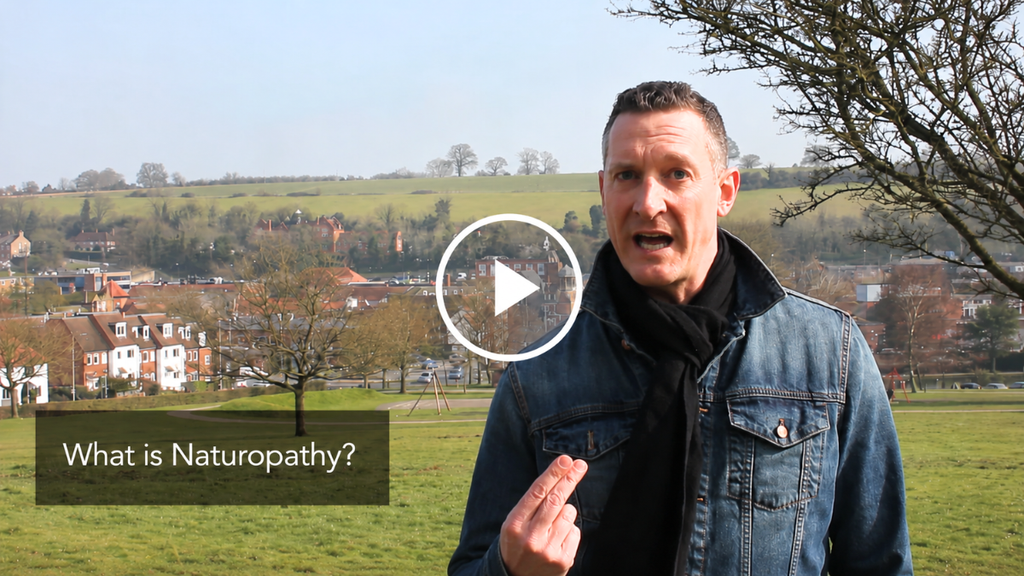
Indian Nature Cure doctors, chief medical officers and therapists are central to the film. Their contributions explain how the system operates in practice, bringing the expertise of those delivering and overseeing care directly to an international audience.
The film also includes Professor Alex Hankey, whose scientific background includes theoretical physics; Professor Sat Bir Khalsa, known for his research into yoga; and Heather Mason, founder of The Minded Institute. Together, these clinical, academic and patient perspectives allow viewers to encounter the model through the people who practise, study and experience it.
This documentary record provides a concrete starting point for informed questions, professional dialogue and further investigation.
What Might the West Learn?
Lifestyle advice needs an environment
People are commonly told to eat better, exercise, sleep more and reduce stress. Advice can be difficult to put into practice when the pressures, habits and surroundings of daily life remain unchanged. A residential programme temporarily changes the environment as well as the advice. It turns healthier behaviour into the structure of the day. Could a similar residential approach help patients in Britain establish healthier routines and sustain them after returning home?
Education is part of treatment
Nature Cure institutions do not merely perform therapies upon patients. At their best, they explain routines, involve patients in classes and encourage them to understand how everyday choices influence health. Discharge should therefore mark the beginning of continued self-care rather than the end of a passive treatment episode.
Physical and mental wellbeing can be coordinated
The pressures of everyday life can affect sleep, eating habits, physical activity and emotional wellbeing. Pain or poor sleep can, in turn, make it harder to cope, remain active or feel confident about improving one’s health.
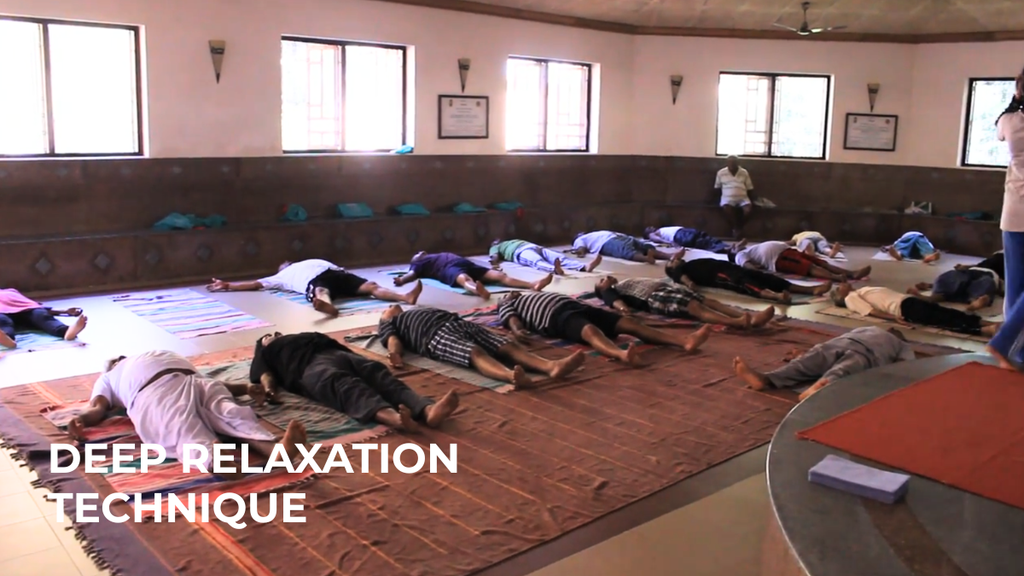
By including yoga, relaxation and counselling alongside nutrition and physical treatment, Nature Cure programmes address these connections within the same daily routine. This reflects the whole-person approach described in calls for integrated, people-centred healthcare.
The patient can be an active participant
The model expects effort: attending treatments and classes, changing diet, moving the body, resting and learning. Patients have an active role in their care, supported by practitioners and a structured programme. Properly understood, this offers agency and empowerment.
Prevention deserves institutional support
The World Health Organization identifies unhealthy diet, physical inactivity, tobacco, alcohol and air pollution among the major modifiable risk factors for noncommunicable diseases.
Prevention requires more than identifying these risks. People also need practical support to change the habits and circumstances that affect their health.
India’s Nature Cure model asks what healthcare looks like when healthier living becomes the principal activity of an institution rather than a brief recommendation at the end of an appointment.
Health education can begin earlier
The documentary also asks whether practices such as yoga, breathing, movement and emotional self-regulation could be introduced before unhealthy patterns become established.
Schools offer an opportunity to help young people develop these skills early. This extends the educational principle beyond the hospital: helping people understand and care for their health from childhood, rather than waiting until illness makes change necessary.
Examining the Complete System
Parts of the system have already been examined. Indian institutions conduct research, and international researchers have studied yoga, diet, exercise, fasting and other individual components. Western healthcare has created related programmes in rehabilitation, prevention and lifestyle support. What appears to be missing is a thorough examination of the Indian Nature Cure hospital as a complete delivery model.
The question is whether a system of healthcare with decades of practice, professional education, government infrastructure and substantial patient use contains approaches worth testing. The starting point should be to examine the research and outcome information institutions already hold, then identify what further investigation is needed.
A serious research agenda could ask:
- Who enters residential Nature Cure programmes, and for what reasons?
- How are patients screened, diagnosed and monitored?
- Which treatments are provided, at what intensity and under whose supervision?
- What changes occur in weight, blood pressure, blood glucose, mobility, pain, sleep, wellbeing and medication use?
- Which improvements remain three, six or twelve months after discharge?
- What adverse events occur, and how are they managed?
- How much does treatment cost?
- Does it reduce or increase later use of other health services?
- Which parts of the programme are essential?
- Which patients should not participate?
- Could comparable results be achieved through non-residential or hybrid programmes?
Complex interventions can be studied. Researchers can document the complete programme, specify its components, measure outcomes, compare it with usual care and examine how it is delivered as well as how well it works.
A patient may change their diet, become more active, practise yoga, receive acupuncture and follow a regular sleep routine during the same stay. Understanding how these changes contribute individually and together is a research challenge, not a reason to leave the model unexamined. The reasonable response to uncertainty is investigation: establish what is already known, identify the gaps and determine which questions deserve further study.
From Recognition to Examination
India has developed a healthcare system around practices that have become familiar features of Western health and wellness culture. Its distinctive contribution is their coordination: residential care in which nutrition, physical treatments, movement, rest, mental wellbeing and education form part of the same daily programme.
Calls for lifestyle support, patient participation and integrated care make this experience particularly relevant. India’s Nature Cure institutions offer an existing model through which those ambitions can be examined in practice.
The next step is to bring Indian institutional experience into direct conversation with Western clinical and scientific expertise. Existing research and outcome records, contemporary interviews, professional discussions and structured hospital visits could provide a practical starting point. India has built the system. Now there is good reason for the West to take a closer look.
Participate in the Nature Cure Revival Project
Nature Heal welcomes contributions from Indian Nature Cure institutions, documentary contributors, clinicians, researchers, educators and organisations interested in exploring the model.
Participation could begin with a short-written perspective, relevant published research or existing institutional outcome information, or an exploratory conversation. These contributions can help shape interviews, roundtable discussions and possible institutional visits.
To discuss contributing, contact: robert@natureheal.co.uk
Watch Nature Cure: The Revival to see the system operating inside Indian institutions.